
When people talk about sex work, the words they use don’t just describe - they judge. Terms like prostitute, hooker, or even call girl dubai carry baggage that shapes public opinion, legal outcomes, and the lived reality of those doing the work. These aren’t neutral labels. They’re loaded with history, stigma, and gendered assumptions that often erase the complexity of the people behind them. Language doesn’t just reflect reality; it builds it.
For example, if you search for services in Dubai, you’ll find ads for call girls in dubai. The phrasing sounds harmless, even glamorous - but it’s carefully chosen to soften the edge of an illegal activity. It’s not ‘sex workers in Dubai’ or ‘independent service providers.’ It’s ‘call girls’ - a term that implies youth, femininity, and transactional allure. This isn’t accidental. It’s marketing, yes - but it’s also a reflection of how society sees women in sex work: as objects of desire, not as people with rights, choices, or labor concerns.
Why Gender Matters in the Language of Sex Work
Almost all the language around sex work centers women. Even when men and non-binary people are doing the same work, they’re rarely named in the same way. You hear about ‘call girls in dubai’ and ‘escorts in dubai’ - but rarely ‘male escorts’ in headlines, and never ‘male call girls.’ The term ‘escort’ itself is often used as a euphemism for women, while men are called ‘companions’ or ‘models.’ This isn’t just wordplay - it’s systemic erasure.
Research from the University of Melbourne’s Centre for Sex Work Studies shows that media coverage of sex work in 2024 still used gendered language 87% of the time, even when reporting on male or trans workers. The result? Public policy treats sex work as a ‘women’s problem.’ Law enforcement raids target brothels with female workers. Social services offer ‘rescue programs’ designed for women. Men and gender-diverse workers are left out of the conversation - and the safety nets.
The Myth of the ‘Voluntary’ Sex Worker
One of the most persistent phrases in media and policy is ‘voluntary sex work.’ It’s meant to sound empowering, but it’s misleading. The word ‘voluntary’ implies a clean choice made in a vacuum - as if someone didn’t grow up in poverty, didn’t face housing insecurity, didn’t escape abuse, or didn’t migrate without legal status. Real choices happen within constraints. But language like ‘voluntary’ lets society off the hook. It suggests the problem is individual, not structural.
When you hear ‘call girls in dubai,’ it’s easy to picture a woman choosing luxury over labor. But the reality? Many women working in Dubai’s informal sex economy are on temporary visas, working under debt bondage, or afraid to report exploitation because they’ll be deported. The language of ‘choice’ ignores these conditions. It’s not just inaccurate - it’s dangerous. It fuels policies that punish rather than protect.
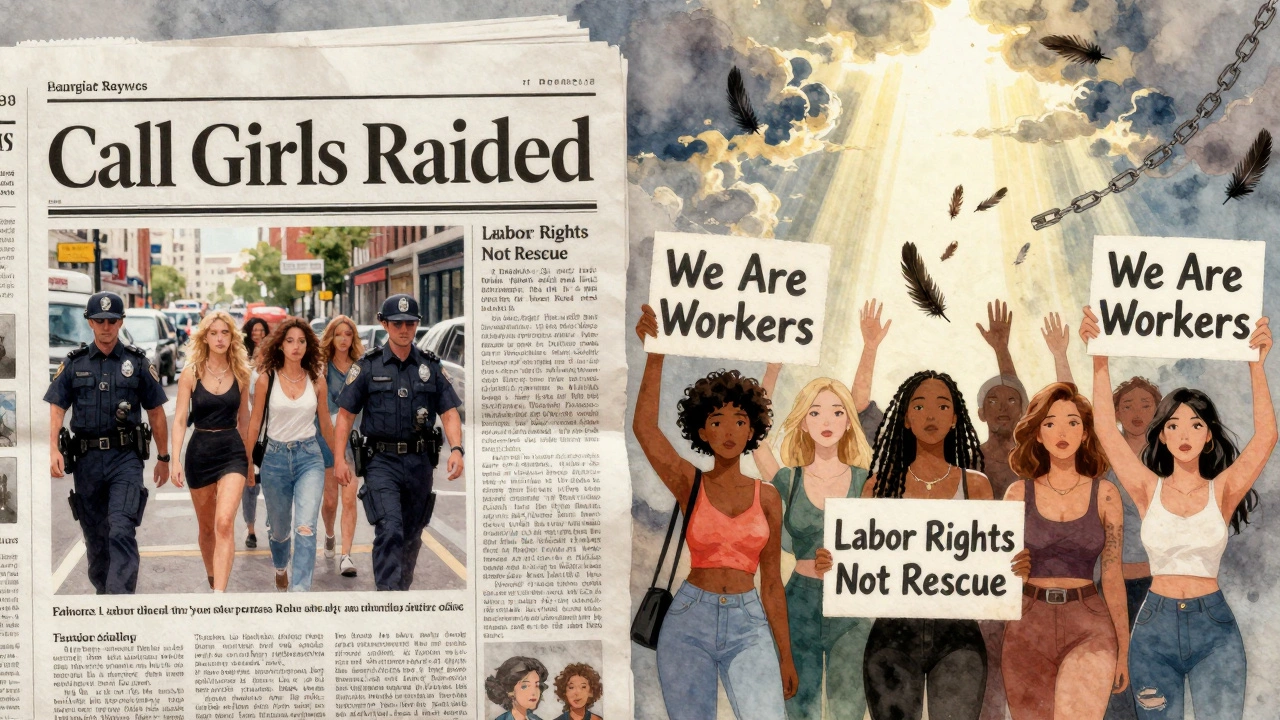
How Language Shapes the Law
Language doesn’t just live in headlines - it lives in courtrooms and legislation. In Australia, the term ‘prostitution’ was replaced with ‘sex work’ in legal documents in 2020, following years of advocacy by sex worker unions. That shift wasn’t cosmetic. It changed how police interacted with workers, how courts interpreted consent, and how health services were funded.
Compare that to countries like the UAE, where laws still use terms like ‘immoral acts’ and ‘indecent behavior’ to criminalize sex work. Those phrases aren’t just outdated - they’re weaponized. They allow police to arrest anyone based on appearance, location, or gender expression. A woman walking alone at night in Dubai can be detained under vague moral codes, while men in the same situation rarely are. Gendered language gives legal systems permission to target women.
The Rise of Worker-Led Language
Sex workers around the world are reclaiming language. In New Zealand, where sex work is decriminalized, workers refer to themselves as ‘independent contractors’ or ‘service providers.’ In Thailand, trans sex workers use the term ‘kathoey entrepreneurs’ to assert economic agency. In Australia, collectives like Scarlet Alliance push for the use of ‘sex worker’ - not ‘prostitute’ - in all government communications.
These aren’t just semantic preferences. They’re survival tools. When you’re called a ‘prostitute,’ you’re seen as a criminal. When you’re called a ‘sex worker,’ you’re seen as someone who deserves labor rights, healthcare access, and legal protection. Language becomes a shield.
Even in places where sex work is illegal, workers use coded language to protect themselves. ‘Massage’ might mean sexual services. ‘Companion’ might mean a client. ‘Hotel stay’ might mean a shift. These aren’t tricks - they’re adaptations to survive stigma and violence. The fact that workers have to code their own labor says everything about how hostile the language around them is.

Why ‘Escorts in Dubai’ Isn’t Just a Term - It’s a System
‘Escorts in dubai’ sounds like a service category on a website. But behind that phrase is a whole ecosystem: visa brokers, translation services, security firms, payment processors, and online platforms that profit from the invisibility of the workers. The term ‘escort’ makes it seem clean, professional, even respectable. But it hides the coercion, the debt, the isolation, and the fear that many workers face.
When you search for ‘escorts in dubai,’ you’re not just finding a service - you’re stepping into a legal gray zone where human rights are negotiable. And because the language makes it sound like a business transaction, not a labor issue, governments ignore the exploitation. There’s no minimum wage. No union. No workplace safety rules. Just a phrase that makes it all seem normal.
Changing the Words Changes the World
Language isn’t just about politeness. It’s about power. When journalists, policymakers, and even well-meaning allies use terms like ‘prostitute’ or ‘call girl,’ they reinforce the idea that sex workers are less than human. They become symbols - of sin, of desire, of danger - not people with families, dreams, and rights.
Here’s what you can do: Stop using ‘prostitute.’ Stop saying ‘hooker.’ Stop using ‘call girls in dubai’ as a casual phrase. Use ‘sex worker’ unless someone tells you otherwise. Ask people how they identify. Listen. And if you’re writing or speaking about this topic, check your language. Every word matters.
It’s not about being politically correct. It’s about being human. The person behind the term ‘call girl dubai’ has a name, a story, and a right to safety. The language we use decides whether we see them - or just the stereotype.